Two ways to help businesses build a multi-brand model
Reading time: 5 minutes
The multi-brand model is becoming an attractive trend for businesses. Previously, most businesses focused on developing only a single brand. However, the multi-brand model is now attracting attention. OMICall wants to share information about this model with you so you can understand it better.
What is a multi-brand model?
A multi-brand model is a business approach in which a company owns and manages multiple different brands. Each brand has its own unique product portfolio and core values.
By creating a portfolio of brands, the company can offer products with unique features and purposes. This model allows the company to leverage the advantages and characteristics of each brand to build awareness and forge relationships with customers in the best possible way.
Advantages and disadvantages of the multi-brand model
The multi-brand model is becoming increasingly popular and is being chosen by many businesses. However, like any business model, it also comes with its own advantages and disadvantages:
Advantage
- Increasing staff size: Expanding the number of employees helps ensure specialization and quality in marketing and sales activities. At the same time, it also fosters growth and innovation within the business.
- Business diversification: A multi-brand model not only helps businesses diversify their operations but also helps spread financial risk. If one brand in the portfolio encounters difficulties, the others continue to operate and contribute to the company’s overall revenue and profit.
- Market capture and leadership: Owning multiple brands allows a company to occupy more space in stores. Expanding and diversifying products and services in a multi-brand model means researching and applying new and better production methods, helping the company capture and lead the market.
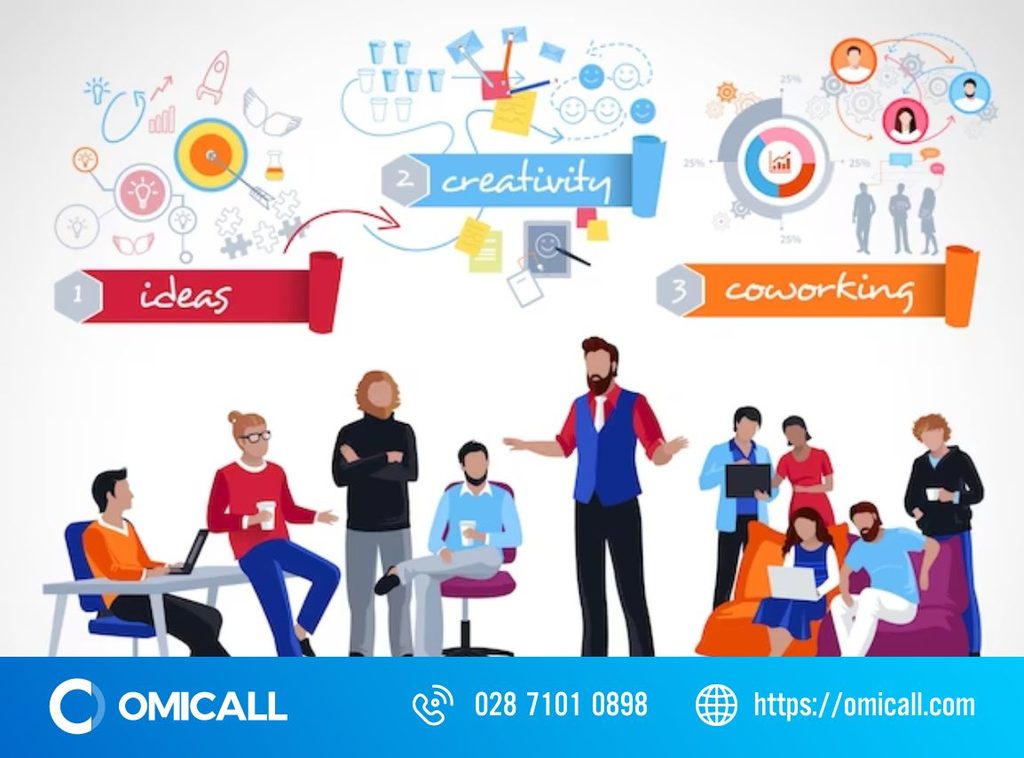
Helping to diversify business operations.
Disadvantages
- Significant financial investment is required to build and manage multiple brands: Each brand requires a separate marketing strategy, advertising budget, operational activities, management, and development. This necessitates a substantial investment from the business.
- The burden of brand management: Managing multiple brands requires businesses to build a robust management strategy, including a dedicated team, clear operational processes, and continuous interaction between brands. Without effective management, a poorly managed brand can negatively impact others, creating a domino effect.
- Suitable for large businesses and corporations with strong management and investment capabilities: The multi-brand model is suitable for large-scale businesses with the capacity to manage and invest. Smaller businesses may find it difficult to build and maintain multiple brands simultaneously.
- Despite its drawbacks, the multi-brand model still offers many benefits and opportunities for large businesses to expand and increase their market share.

Overburden of management
Ways to build a multi-brand model
Currently, the application and operation of multi-brand models is still relatively new to businesses. To build such a model, there are several basic methods as follows:
Parallel Combination:
This method creates a multi-brand model by combining family brands and separate brands. Each brand will have its own reputation and product portfolio, but will still operate in parallel and independently. This approach can also be applied when combining family brands and group brands. For example, Unilever is a well-known example of a parallel combination of brands. They have separate brands such as Dove in hair care and Lipton in food. Combining these brands allows Unilever to leverage the unique reputation and product portfolio of each brand within the same company, creating diversity and expanding the business scope.
Non-parallel combination
Multibranding is a method of building a multi-brand model by establishing a dominant and prominent brand, while other brands play a supplementary and supporting role. For example, The Coca-Cola Company uses this method in building its multi-brand model. Coca-Cola is considered the company’s main and well-known brand. However, the company still has other product lines such as Fanta, Sprite, etc., to further support the main brand. This helps The Coca-Cola Company leverage the popularity and trust of the main brand, while expanding market share and meeting the diverse needs of customers through the supplementary brands.
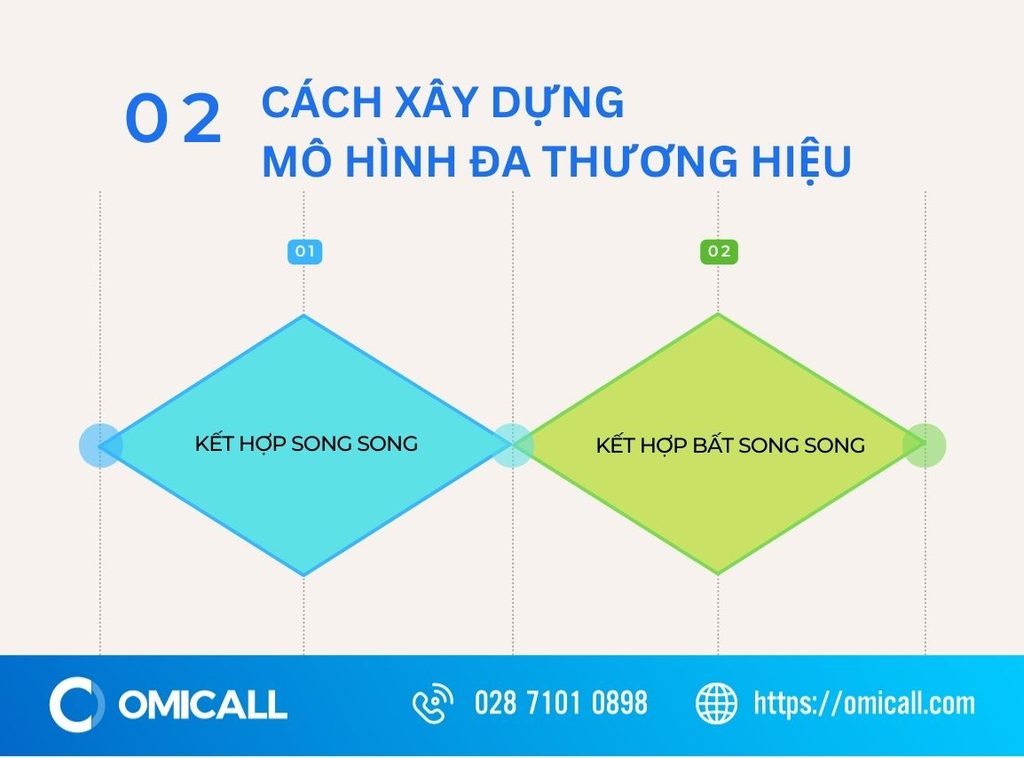
There are two ways to build a multi-brand model.
- Whichever method is used, the following factors must be ensured:
- Defining the goals and positioning of each brand: Specific goals and market segments are necessary. Simultaneously, they must be structured in a way that avoids direct competition. Implementing marketing and advertising strategies for each brand: Targeted advertising and marketing are essential for building awareness and enhancing brand value. Evaluating and adjusting for each brand: Accurate evaluation and adjustment are necessary to ensure the brand is best suited to the target customers the business aims to reach.
In conclusion
OMICall has provided fundamental knowledge in this article, helping businesses undergoing transformation gain more specific information about the multi-brand model . This is an opportunity for businesses to apply this model appropriately, thereby developing a strong brand and achieving good business results.
VIHAT TECHNOLOGY Co., Ltd
Headquarters: ViHAT Building – 06 Street No. 16 (Him Lam Residential Area) – Hiep Binh Chanh Ward – Thu Duc District – Ho Chi Minh City
Hanoi Branch: Floor 15, LADECO Building, 266 Doi Can, Ba Dinh, Hanoi
Cambodia Branch: Thida Rath #154 St. 33MC, Sangkat Steung Meanchey, Khan Mean Chey, Phnom Penh

-
 What is TikTok advertising? Advertising policies and how it works.
-
 Exploring Conceptual Selling – Understanding Modern Sales Trends Correctly
-
 What is a KOC? Distinguishing between KOLs and KOCs.
-
 What Are Customer Insights? Revealing How to Effectively Uncover Them
-
 What is Digital Marketing? 10 Effective Forms of Digital Marketing
-
 What is Online Marketing? Types of Online Marketing