
Principles of corporate cash flow management for sustainable success.
Reading time: 5 minutes
Business cash flow management is a key factor in ensuring business stability and success. By understanding and effectively managing cash inflows, outflows, and cash flow, businesses can achieve sustainability and growth. Explore business cash flow management strategies and tools to secure your finances and promote sustainable development.
Principles of Business Cash Flow Management
Business cash flow management principles are fundamental guidelines that businesses must adhere to in order to effectively manage and operate cash flow. By applying these principles, businesses will be able to achieve financial stability, reduce risks, and enhance their ability to invest and expand. Cash flow management plays a crucial role in ensuring the success and sustainable development of a business.

Vietnam’s Leading AI-powered Multi-Channel Virtual Call Center
Cash Flow Management and Forecasting
- Analysis and Forecasting of Revenue and Expenses: This is the process of analyzing and forecasting the incoming and outgoing cash flow of a business. By examining current revenue and expenditure sources, businesses can make accurate predictions about future cash flow.
- Cash Flow Planning: Based on the analysis and forecasting of revenue and expenses, this principle requires businesses to develop a cash flow management plan. This plan includes measures to increase revenue, reduce expenses, and maintain a balance between revenue and expenditure.
Capital Optimization
- Working Capital Management: This principle focuses on managing and optimizing the working capital of a business. This includes identifying and managing working capital to ensure the flexibility and solvency of the business.
- Capital Optimization: This emphasizes optimizing the use and management of the business’s capital resources. By evaluating and improving the efficiency of capital utilization, businesses can strengthen their financial capacity and minimize waste.

Optimizing capital resources
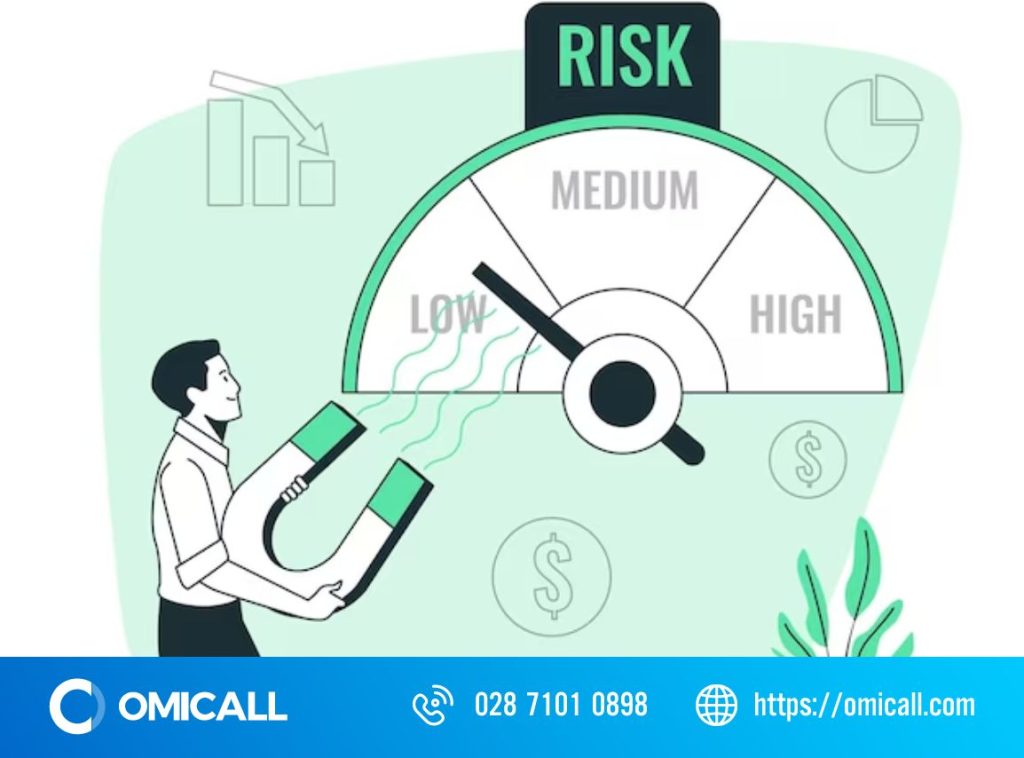
Controlling and minimizing financial risks
- Adjusting the financial reserve fund: This principle recommends that businesses establish and maintain a sufficient financial reserve fund to cope with financial risks. This fund will help protect the business from unexpected fluctuations in cash flow.
- Assessing and managing financial risks: Emphasizes the importance of rigorous assessment and management of financial risks. By identifying, measuring, and managing financial risks, businesses can minimize negative impacts and ensure financial stability.
Strengthening financial capabilities
- Diversifying revenue sources: Encourage businesses to seek and develop revenue from multiple sources. Diversifying revenue helps minimize risk and create stability for the business’s cash flow.
- Improving asset utilization efficiency: Emphasize optimizing the use of the business’s assets. By improving the efficiency of existing assets, businesses can strengthen their financial capacity without increasing capital.
For any business, the principle of cash flow management is not only the foundation of survival but also the key to unlocking growth. Maintaining financial flexibility, controlling costs, and optimizing revenue streams not only helps businesses overcome today’s challenges but also builds a sustainable foundation for the future.
Common Challenges in Cash Flow Management and How to Overcome Them
In cash flow management, there are several common challenges that businesses often encounter. However, by understanding and applying ways to overcome them, we can manage cash flow effectively:
Market Volatility
Volatility in the market can affect both the revenue and expenses of a business. Factors such as price fluctuations, high competition, or even changes in customer demand can create uncertainty in income.
Businesses can develop contingency plans, gain a thorough understanding of market information, and implement a product/service diversification strategy to minimize the impact of market fluctuations.

Market Fluctuations
Outstanding Debt
Outstanding debt can increase pressure on cash flow management, especially when customers are late in payments or when financial partners demand quick payments.
Businesses can implement careful debt management policies, establish flexible payment terms, and regularly monitor debts to minimize risk.
Volatility in Raw Material Costs
Volatility in raw material prices can affect production costs and therefore impact profits and cash flow.
Businesses can consider signing long-term contracts with suppliers, seeking alternative raw material sources, and using hedging or price-holding strategies to minimize the impact of raw material price fluctuations.
In Conclusion
Managing a business’s cash flow plays a crucial role in ensuring the survival and growth of a business. By understanding and managing finances intelligently, businesses can enhance their solvency, ensure stability, and facilitate investment and expansion.
Cash flow management helps identify and resolve financial issues effectively, thereby laying the foundation for the success and sustainability of businesses in today’s competitive market.
VIHAT TECHNOLOGY Co., Ltd
Headquarters: ViHAT Building – 06 Street No. 16 (Him Lam Residential Area) – Hiep Binh Chanh Ward – Thu Duc District – Ho Chi Minh City
Hanoi Branch: Floor 15, LADECO Building, 266 Doi Can, Ba Dinh, Hanoi
Cambodia Branch: Thida Rath #154 St. 33MC, Sangkat Steung Meanchey, Khan Mean Chey, Phnom Penh

-
 What is TikTok advertising? Advertising policies and how it works.
-
 Exploring Conceptual Selling – Understanding Modern Sales Trends Correctly
-
 What is a KOC? Distinguishing between KOLs and KOCs.
-
 What Are Customer Insights? Revealing How to Effectively Uncover Them
-
 What is Digital Marketing? 10 Effective Forms of Digital Marketing
-
 What is Online Marketing? Types of Online Marketing